
72W E-Bike & Electric Scooter Power Adapter Buyer Guide
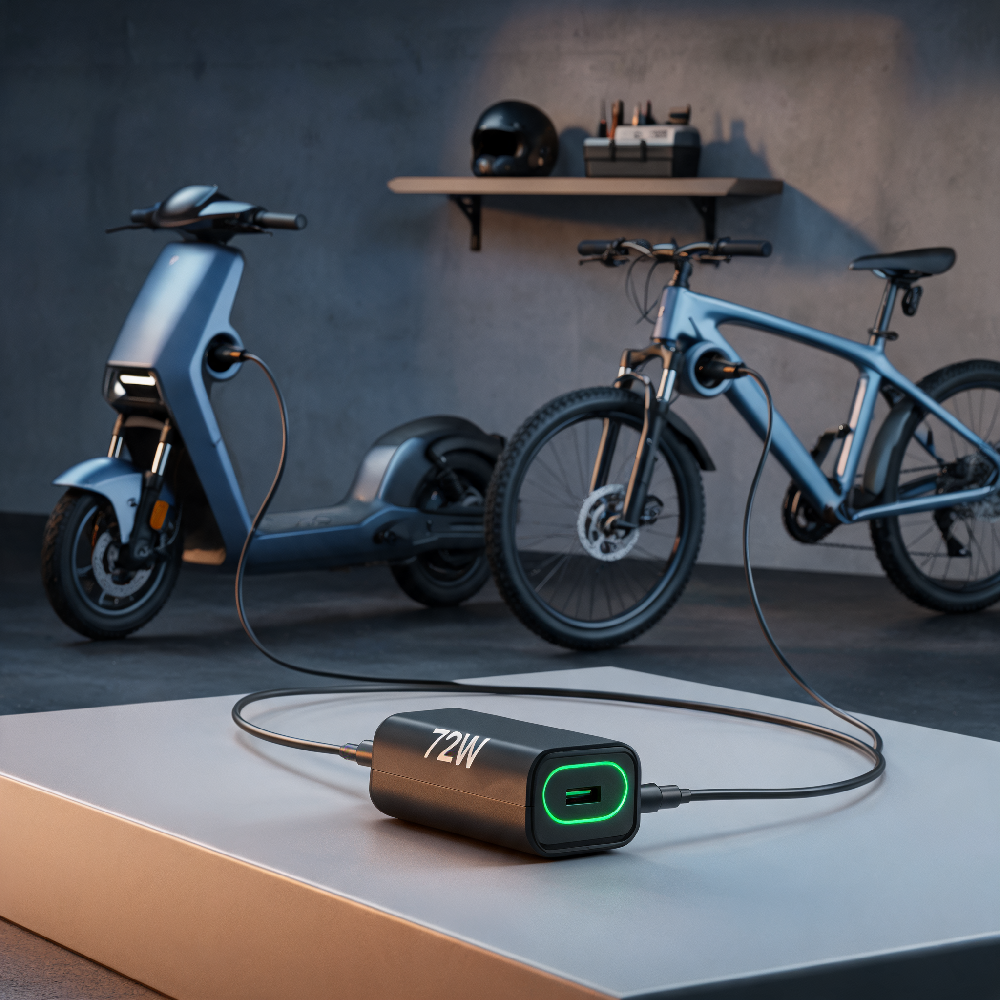
Choosing the right power adapter for your e-bike or electric scooter is more than a simple purchase—it is a critical decision that affects both performance and safety. With a rated output of 72W, these adapters are commonly used to charge mid-capacity batteries found in commuter e-bikes and lightweight scooters. However, not all 72W adapters are created equal, and using an incompatible unit can lead to slow charging, battery damage, or even fire hazards. This guide walks you through the essential factors to consider, helping you make an informed and confident buying decision.
The first and most important consideration is compatibility. Check your vehicle’s battery voltage and charging current requirements, which are typically printed on the original charger or battery label. A 72W adapter usually delivers a fixed voltage (for example, 36V at 2A or 54.6V at 1.3A), so you must match these values exactly. Never rely on the power rating alone, because a 72W adapter could have different voltage-current combinations. Using an adapter with a higher voltage than specified can overcharge and permanently damage the battery, while a lower voltage may simply fail to initiate charging. Always consult your e-bike or scooter manual or contact the manufacturer if you are unsure.
Safety certifications and build quality are equally crucial. Look for adapters that carry recognized safety marks such as UL, CE, FCC, or RoHS, depending on your region. These certifications indicate that the adapter has passed rigorous tests for electrical insulation, short-circuit protection, and thermal management. In addition, inspect the housing material and connector quality. A well-built adapter uses flame-retardant plastic and has a snug, secure connector that prevents arcing. Poorly manufactured adapters often overheat during prolonged charging, especially at 72W continuous output, so choose a brand with a solid reputation and customer reviews that mention reliability.
Another key factor is the connector type and charging protocol. Most e-bikes and scooters use proprietary connectors, such as a 5.5mm DC barrel plug, XT60, or a three-pin aviation plug. Before buying, confirm the plug size and pin layout. Some adapters come with multiple interchangeable tips, which can be convenient if you own several devices. Additionally, check whether the adapter supports a standard charging protocol (like a constant current/constant voltage curve) that matches your battery’s battery management system (BMS). A smart adapter with a small LED indicator that changes from red to green is ideal, as it tells you when charging is complete and helps prevent overcharging.
Finally, consider portability, cable length, and environmental factors. A 72W adapter is relatively small and lightweight, making it easy to carry in a backpack, but ensure the cord is long enough to reach an outlet from your storage area. If you ride in wet or dusty conditions, look for an adapter with an IP rating (e.g., IP54) for moisture and dust resistance. Also, think about the input voltage range. A universal adapter that accepts 100–240V AC is essential for international travelers. In summary, matching electrical specs, prioritizing safety certifications, verifying the connector, and evaluating build quality will help you buy a reliable 72W power adapter that keeps your e-bike or scooter charged and ready for the road.