
E-bike Charger and Battery Pack Compatibility Guide (58.8V 2A for 52V)
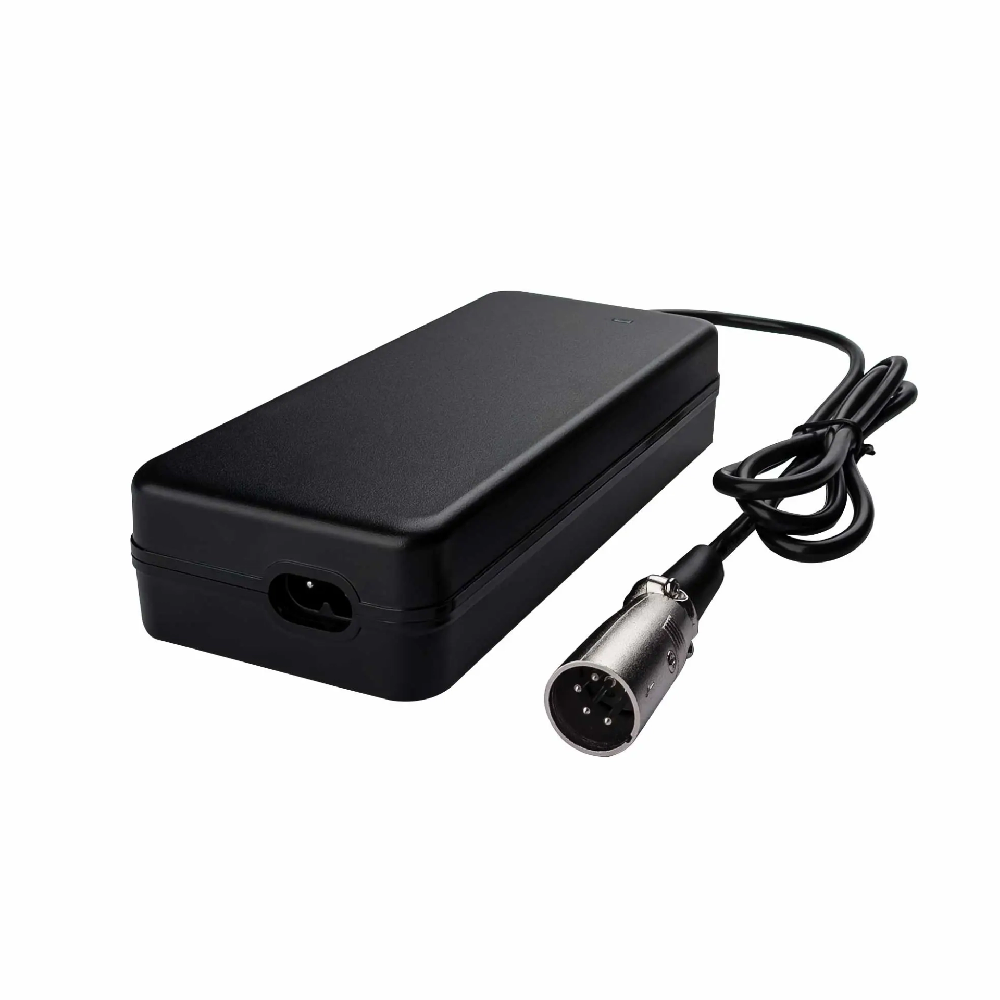
In the rapidly expanding market for electric bicycles, the compatibility between the charger and the battery pack is a critical factor that directly influences safety, performance, and battery lifespan. The listing of a 58.8V 2A e-bike charger designed for a 52V lithium battery serves as a practical example of why sourcing the correct charger requires careful attention to several key parameters. Before placing sample orders, buyers must thoroughly verify that the charger's output voltage matches the battery's nominal voltage, that the current rating is appropriate, and that the physical connector shape and polarity align with the battery's input port. Failure to address these details can lead to undercharging, overcharging, overheating, or even permanent damage to the battery cells.
1. Voltage Matching: The Primary Safety & Performance Foundation
The voltage matching process is often the first and most critical step. A 52V lithium battery pack, commonly composed of 14 series-connected cells (14S), has a nominal voltage of approximately 51.8V and a full charge voltage of 58.8V. Therefore, the charger listed at 58.8V is specifically calibrated to safely bring a 52V lithium battery to its maximum capacity without exceeding the cell's maximum voltage limit.
Using a charger with a lower voltage, such as 54.6V (which is typical for a 13S pack), will leave the battery undercharged and reduce usable range. Conversely, a charger with a higher voltage can cause overvoltage protection to trip or, worse, lead to thermal runaway and fire. Buyers must confirm the exact voltage specification of their battery—both nominal and full charge—before selecting a charger.
2. Output Current: Balance of Charging Speed and Battery Health
Output current, measured in amperes (A), is another essential parameter that affects charging time and battery health. The listed charger provides 2A of current, which is a relatively low and safe rate for standard 52V lithium packs. A 2A charge rate is ideal for maintaining battery longevity because it generates less heat compared to higher current chargers.
For large-capacity batteries, such as 20Ah packs, a 2A charger will take approximately 10 hours to fully charge, which is acceptable for overnight charging. However, buyers should ensure that the charger's current does not exceed the battery's recommended C-rate (typically 0.3C to 0.5C for standard cells). A high-current charger may reduce charging time but can accelerate cell degradation if the battery is not designed for fast charging.
3. Connector Shape & Polarity: Overlooked but Indispensable Details
Connector shape and polarity are often overlooked but are equally vital for safe and reliable connections. E-bike batteries use various connector types, including Anderson Powerpole, XT60, DC barrel jacks, or proprietary designs. The physical connector must fit snugly to prevent intermittent contact or arcing.
Additionally, the polarity (positive and negative terminals) must exactly match the battery's input. Reversed polarity can short-circuit the charger or battery, causing immediate damage or posing a fire risk. Before ordering samples, buyers should physically measure the connector dimensions and verify the wiring configuration. Many reputable suppliers provide pinout diagrams or offer custom connectors, but confirmation is the buyer's responsibility.
4. Sample Testing: Final Verification Before Bulk Orders
Finally, sample testing is a recommended step before committing to bulk orders. Even when all specifications appear to match, small manufacturing tolerances or variations in electronic components can affect real-world performance.
By ordering a single sample, buyers can test the charger under actual usage conditions: monitoring the charging voltage with a multimeter, checking that the charger correctly terminates when the battery reaches full charge, and observing whether the connector remains secure during movement. This validation process prevents costly mistakes and ensures that the purchased chargers will deliver consistent, safe performance for the intended e-bike fleet.
Summary
In summary, the 58.8V 2A charger listing highlights the importance of a thorough pre-order checklist—voltage, current, connector, and polarity—to achieve a successful and safe charging setup. Strict verification of the above parameters and pre-sample testing are essential to guarantee e-bike battery safety, stable performance and extended service life.